

The Strategic Impact of Tariffs: What Manufacturing Executives Need to Know Now

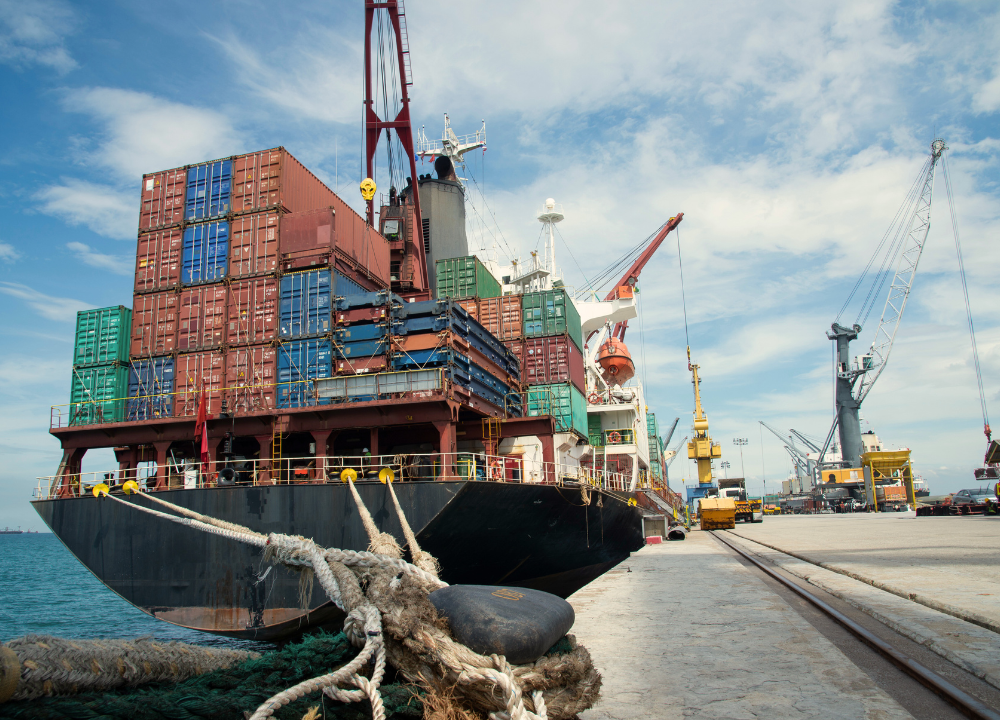
Take the U.S.-China trade tensions, for example. Starting in 2018, the U.S. imposed tariffs on around $370 billion of Chinese imports, from electronics to industrial components. China responded in kind, targeting key U.S. sectors like agriculture and automotive. These policies disrupted global supply chains and increased uncertainty for manufacturers.
Ron Crabtree, CEO of MetaOps, Inc.| MetaExperts™, explains: “Tariffs change the rules of the game. You need full visibility, smart modeling, and a plan. Reacting too late can mean lost revenue and lost customers.”
Although the news cycle has moved on, most tariffs remain in place. Duties between 7.5% and 25% still apply to a wide range of goods, especially in high-tech and industrial categories. Recent hikes have targeted EV batteries, steel, and semiconductors—making the stakes even higher for manufacturers.
If your business depends on Chinese suppliers, you need to understand where your risks lie. Ron recommends mapping your supply chain and stress-testing how rising costs would affect your profitability and delivery times. “Don’t stay loyal to a supplier out of habit,” he says. “Adaptability is more valuable than loyalty when tariffs are in play.”
Tariffs’ Ripple Effects on Global Trade
One tariff can spark a chain reaction. Countries hit with new duties often respond with their own, which slows trade, increases costs, and creates volatility.
A real-world example: a U.S. HVAC manufacturer was caught in the middle of new Chinese tariffs on sub-assemblies. MetaExperts helped the company set up a ‘kiosk manufacturing’ site by partnering with its Chinese supplier to assemble parts locally in a U.S. free trade zone. The outcome? No tariff penalties, faster turnaround, and smoother operations.
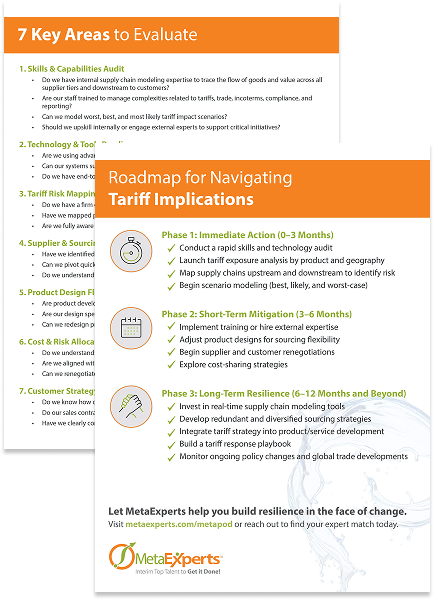
5 Moves Manufacturing Executives Should Make Now
Tariffs may be out of your control—but your response isn’t. Here’s how to get ahead:
1. Run What-If Scenarios
Use your data to simulate different tariff levels. What happens to your margins if import costs rise by 15%? What about delivery lead times? Know the numbers before changes hit.
2. Build Flexibility Into Product Design
Work with your sourcing team early in the design process. If you can swap parts or suppliers quickly, you’re less vulnerable to trade shifts.
3. Co-Locate With Suppliers
Bringing your offshore suppliers closer through kiosk manufacturing can reduce both cost and risk. It’s a smart middle ground between offshoring and full reshoring.
4. Think Before You Nearshore
Nearshoring isn’t as simple as picking a new site. Consider labor availability, compliance standards, and ESG expectations before committing.
5. Tighten Cybersecurity Across Partners
Supply chain shifts often open the door to new cyber risks. Make sure all partners meet strict cybersecurity protocols, like NIST 800-171.
Looking Ahead: What Tariffs Mean for the Future
Tariffs aren’t going away. In fact, they’re becoming a go-to tool for economic and political leverage. For manufacturing leaders, the challenge isn’t avoiding tariffs—it’s managing through them.
MetaExperts™ helps manufacturers do just that, offering hands-on guidance from seasoned interim executives who know how to handle change. Whether it’s restructuring sourcing, rethinking logistics, or modeling financial impacts, success starts with being ready.
As Ron Crabtree says: “Winning in a tariff environment isn’t about moving fast—it’s about being prepared.”
Need Help Navigating Tariff Disruption? Connect with MetaExperts™ for expert-led supply chain strategy and implementation support. Contact us today to get started with your strategy.
Don’t wait until it's too late.
Do you need urgent help?
Book a call or contact us directly: